

In a surprising revelation, it has been highlighted that the per capita consumption of ghee in certain regions surpasses that of Europe. While ghee holds cultural significance and has been a part of traditional cooking for centuries, concerns about its impact on health and alternatives that could be considered are now arising.
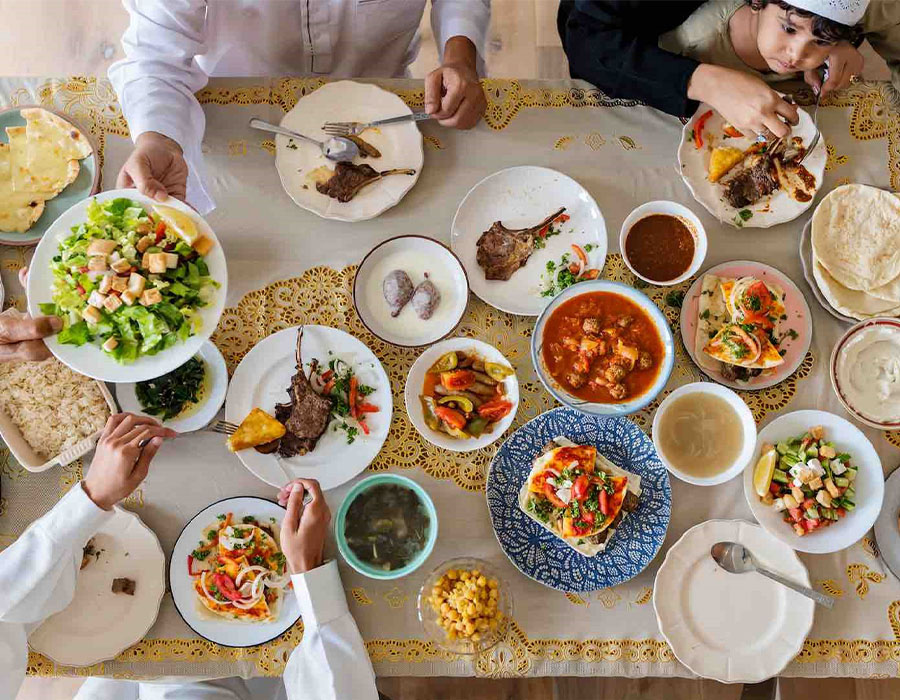
Following the celebration of Eid ul-Adha, where the consumption of meat-based dishes is prevalent, discussions around cooking oils and ghee become even more relevant. It is during this time that households often indulge in traditional recipes that require generous amounts of ghee for flavor and preparation. However, it is crucial to strike a balance between culinary traditions and maintaining a healthy lifestyle.
According to recent statements, more than half of the diseases prevalent in these regions can be attributed to the use of cooking oil. This has sparked a debate on the best oil for human health, with proponents advocating for the consumption of clarified butter, known as Vinaspati Ghee. They argue that this natural product contains essential nutrients and is free from trans fats, which are believed to contribute to heart problems.
However, experts caution against the excessive consumption of ghee and emphasize the importance of moderation. While ghee can be a part of a balanced diet, it is essential to be mindful of portion sizes and frequency of use. Reusing ghee is not recommended due to the formation of trans fats, which can be harmful to health.
Furthermore, concerns have been raised about the purity and quality of commercially available ghee. It has been suggested that some companies may not use pure milk in production, leading to controversies and potential compromises in the final product. To ensure quality, it is advised to establish a direct connection with farmers and source ghee from trusted and authentic producers.
As for cooking oil, it is recommended to explore alternative options such as olive oil and seed-based oils like sunflower, soybean, canola, mustard, sesame, and flaxseed. Olive oil, particularly extra virgin olive oil, is best suited for raw consumption, such as in salads or drizzling overcooked food. For cooking purposes, oils with higher smoke points, such as sunflower and canola oil, can be used. Purchasing oils directly from local mills or farmers is advisable to ensure authenticity and quality.
During the festive period of Eid ul-Adha, when meat-based dishes are a prominent part of the celebration, it is essential to pay attention to cooking methods and ingredient choices. While ghee adds richness and flavor to traditional recipes, it is recommended to use it sparingly and opt for healthier alternatives where possible.
To strike a balance between maintaining culinary traditions and promoting health, individuals can explore cooking techniques that use minimal oil or adopt healthier cooking methods. It is important to prioritize portion control, mindful consumption, and a varied diet that includes a range of nutritious ingredients.
As discussions surrounding cooking oils and ghee gain momentum, particularly after the festive season, it is crucial for individuals to stay informed, seek guidance from health professionals, and make conscious choices to prioritize their health without compromising on the cultural significance of traditional culinary practices, including those associated with Eid ul-Adha.