

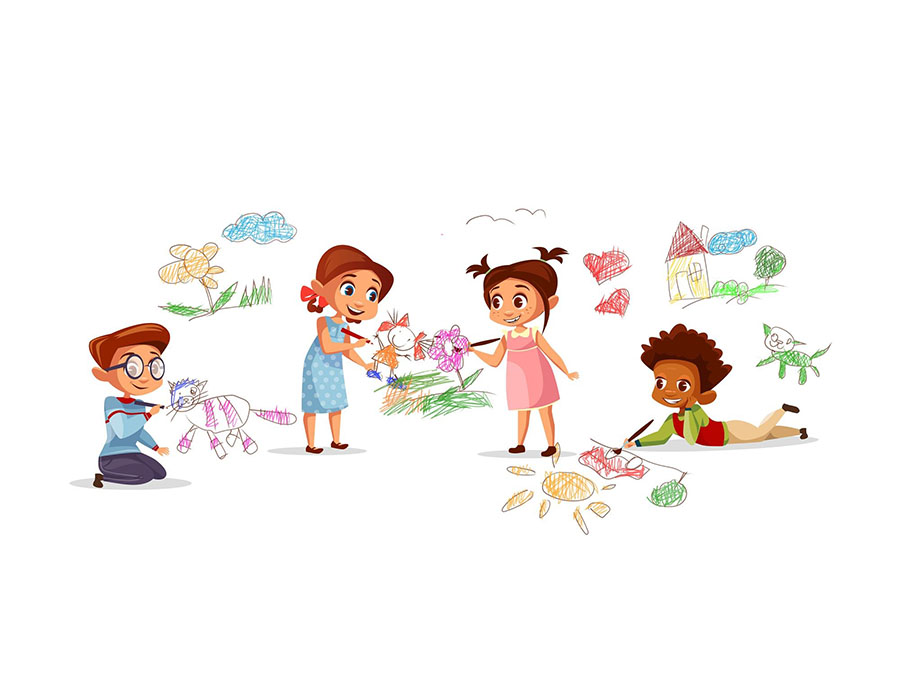
Art therapy has emerged as a powerful tool for emotional and psychological development in children, allowing them to express their thoughts and feelings through creative activities. The therapeutic benefits of art have been widely recognized, as it provides a safe space for children to communicate and connect with their inner selves. Through art, children can convey their emotions, thoughts, and experiences, enabling parents and therapists to gain valuable insights into their mental well-being.
Colors play a significant role in art therapy, with each color having unique meanings. For example, yellow is associated with happiness, while red symbolizes motivation and can impact blood pressure. The use of specific colors can evoke certain emotions and influence an individual’s mood. Understanding color psychology can be particularly helpful in art therapy sessions, allowing therapists and parents to guide children in expressing themselves effectively.
Art therapist Ali, who has a background in both art and psychology, shared his personal journey and the connection he discovered between art and mental well-being. He highlighted the importance of recognizing the artistry and creativity in the world around us, as it can profoundly impact our well-being. Ali emphasized that art therapy has no side effects and can serve as a cathartic experience for individuals of all ages.
When working with children, art therapy becomes a powerful means of communication. Children, being pure and uninhibited, often convey their emotions and experiences through their artwork. Their choice of colors, strokes, and overall composition can reveal a wealth of information about their current state of mind. Observing a child working with art supplies can provide parents with a deeper understanding of their child’s emotions and help them connect on a more profound level.
Ali also discussed the importance of early intervention through art therapy for children with special needs. Engaging in artistic activities can aid in the development of motor skills, cognitive abilities, and sensory needs. Through art, children can channel their energy and express themselves in a non-verbal manner, providing therapists and parents with insights into their unique needs and emotions.
In addition to art therapy, Ali emphasized the significance of open communication and bonding between parents and children. Engaging in activities such as storytelling, and board games, and creating a “wall of emotions” at home can foster a supportive environment where children feel comfortable expressing their thoughts and feelings. These activities not only promote emotional intelligence but also strengthen the parent-child relationship.
Ali shared a heartwarming story of an autistic client who struggled with aggression. Through tie-dye activities and modeling, Ali helped the client channel his energy and discover his talents. The client’s journey as the first Pakistani autistic model not only showcased his potential but also highlighted the transformative power of art therapy.
The discussion with Ali shed light on the positive impact of art therapy in children’s lives. By embracing art as a means of expression, children can develop a deeper understanding of their emotions, enhance their cognitive abilities, and establish stronger connections with their parents and therapists. Art therapy continues to prove its efficacy as a versatile and powerful tool for promoting mental well-being in children and adults alike.