

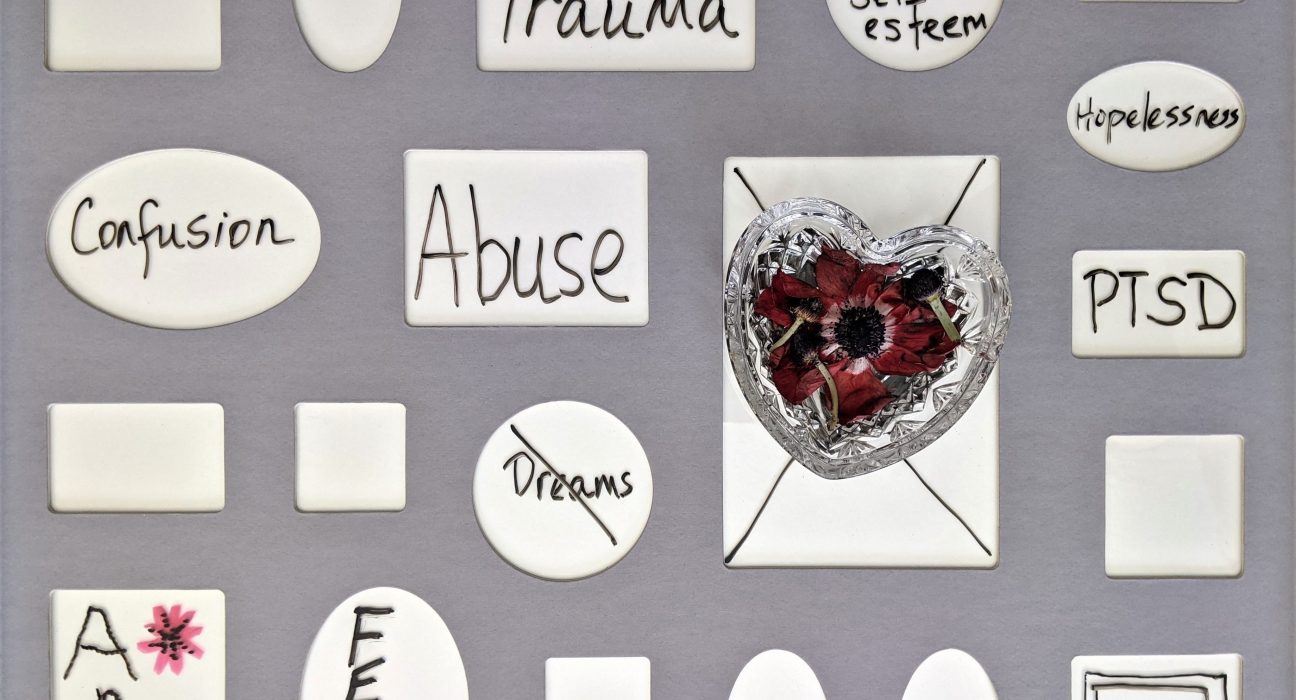
Emotional abuse, a silent but devastating form of mistreatment, often remains hidden behind closed doors. As MomKast is dedicated to shedding light on important issues, recently we delved into the topic of emotional abuse. The discussion aimed to uncover the nature of this harmful weapon, the wounds it inflicts, and the ways it erodes one’s personality.
Defining Emotional Abuse
During the MomKast episode, Yamna, Sadaf, and Fatima shared their insights on emotional abuse. They defined it as various forms of taunting, blaming, belittling, and instilling fear in someone. While physical violence and bullying can be more visible and easier to address, emotional abuse often goes unnoticed, taking a toll on the victim’s mental and emotional well-being.
The Gradual Erosion of Self-Worth
The hosts emphasized that emotional abuse is a gradual and subtle process, often leading the victim to internalize their suffering. The abuser’s tactics chip away at the victim’s self-esteem, making them believe they are unworthy, incapable, and deserving of mistreatment. Victims often blame themselves, creating a cycle of self-hatred and accepting the abuser’s narrative.
Case Study: The Silent Cry for Help
To illustrate the profound impact of emotional abuse, a story was shared about a 16-year-old swimming champion. Despite excelling academically and in her sport, she suddenly stopped swimming and her grades plummeted. It was revealed that the cause behind this dramatic change was the toxic environment at home. Witnessing her parents’ constant fighting took a toll on her mental health, leading to anxiety and self-loathing. Her every scream became a heart-wrenching cry for help, representing just one example of the many untold stories of emotional abuse.
Exploring Power Dynamics
In the podcast, the speakers further explored the different categories of emotional abuse, shedding light on the power dynamics within families. The financial disparity between siblings, where one is favored for their financial strength, can lead to emotional abuse and neglect of other family members. Similarly, women who earn more than their husbands may exert their power, belittling their spouses and making them feel inferior.
Unacknowledged Abuse: Ignorance and Control
The conversation shifted to highlight that emotional abuse is often not acknowledged by the abuser, who may not realize the harm they are inflicting. This ignorance is fueled by the slow and gradual nature of emotional abuse, which allows the abuser to gain control while the victim remains unaware. Victims, already vulnerable due to mental trauma or pre-existing conditions such as depression or anxiety, become trapped in a cycle of abuse, perceiving themselves as weak and deserving of mistreatment.
The Far-Reaching Consequences
Anecdotes were shared to emphasize the far-reaching consequences of emotional abuse. A woman who appeared to have a happy marriage shocked her relatives by filing for divorce. It was revealed that her husband subjected her to peculiar punishments, such as rubbing her nose on the ground or making her stand in a corner repeatedly apologizing. The story highlighted the control, power, and humiliation inflicted by the abuser. Society’s reaction, questioning the woman’s decision to leave when she had financial security and material comforts, exemplified the need to change mindsets and recognize emotional abuse as a valid reason for seeking freedom and justice.
Impact on Mental and Physical Health
The conversation continued, addressing the impact of emotional abuse on the victim’s mental and physical health. Stomach problems, eating disorders, hair loss, weight loss, and a deteriorating sense of self-worth were cited as common outcomes of prolonged emotional abuse. If left unchecked, victims may develop Post Traumatic Stress Disorder (PTSD) and experience severe mental distress, requiring professional intervention and care.
Fighting Emotional Abuse: Communication and Self-Worth
To combat emotional abuse, the hosts emphasized the importance of open communication, setting boundaries, and recognizing one’s self-worth. Victims were encouraged to confront their abusers, expressing the pain inflicted by their actions. It was highlighted that emotional abuse does not lead to resolution or affection but instead causes deeper wounds. The speakers urged viewers to challenge the notion that taunting and belittling can win hearts or create positive change. Instead, they stressed the significance of fostering a healthy and supportive environment within families, where mutual respect and empathy prevail.
Conclusion: Healing the Invisible Wounds
Emotional abuse, though often overlooked, leaves deep scars that may not bleed but cause immense pain. By acknowledging and addressing this form of mistreatment, individuals can work towards healing the wounds inflicted by emotional abuse and create healthier, happier homes.
People were encouraged to reflect on their actions and consider the impact of their words and behaviors on others. A challenge was issued to find historical examples of someone who won hearts through taunting and blaming, highlighting the futility of such behavior. Additionally, viewers were invited to write their own obituaries, envisioning how they would like to be remembered. This exercise aimed to inspire self-reflection and promote personal growth, reinforcing the importance of empathy, kindness, and the avoidance of emotional abuse.