

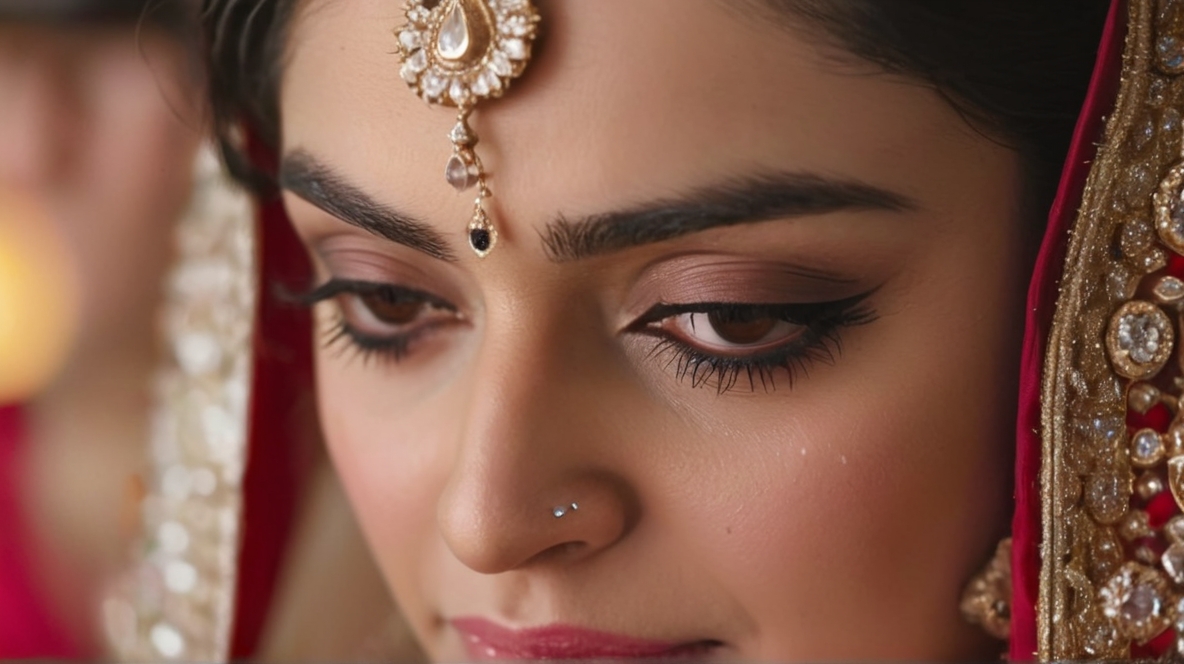
During Pakistani weddings, the Rukhsati ceremony is a significant moment that holds both happiness and sadness. It marks the bride’s transition from her parental home to her husband’s. However, it is common for the bride to cry during the ceremony. In an engaging podcast discussion, we explore the emotions behind Rukhsati and how tradition, societal expectations, and personal experiences shape this poignant moment.
Rukksati: Pakistani Weddings Tradition
As we discuss Rukhsati, we explore various viewpoints and emotions surrounding this significant moment. The bride’s journey is complex, and feelings range from excitement to nervousness. We aim to communicate clearly and concisely, prioritising the essential details and organising the text logically. We use everyday language to ensure that all easily understand the information.
Role Modeling and Preparation
Parents preparing their children for marriage should emphasise role modelling instead of lectures. Participants in a study stressed the importance of setting an example of healthy relationships and instilling valuable lessons through actions. Dialogue and observation are key to nurturing understanding rather than simply imparting knowledge.
Navigating Hormonal Changes
The conversation takes a fascinating turn as we explore hormonal changes. Research shows that women cry more often than men, and this is due to biological reasons. This helps us understand the reasons behind crying and encourages us to empathies with others while breaking down stereotypes about expressing emotions.
Challenges within Joint Families
Discussions about joint families often focus on the challenges they face. In these conversations, people speak openly about the dynamics of relationships with in-laws. Communication is key in these complicated social structures.
Empowerment Through Knowledge
During a difficult time, there is a call for knowledge and empowerment. People are advocating for brides to be equipped with an understanding of their rights so they can navigate happy married life with confidence. This is about surviving and thriving with the tools to assert oneself in adversity. Participants want to foster a sense of agency in brides so they can feel in control of their lives.
Transition and Adjustment
After discussing various topics, the focus shifts to the period of transition and adjustment after the Rukhsati ceremony. Couples are reminded that adapting to new circumstances takes time and requires patience. They are encouraged to approach this phase with mindfulness and support each other by understanding each other’s needs. By doing so, they can progress towards a harmonious married life.
If you’re interested in learning more about the emotions involved in Rukhsati, a Pakistani weddings tradition, you can watch to a podcast episode that explores the topic. You’ll hear about the joys and challenges of this cultural phenomenon and gain a deeper appreciation for Pakistani weddings traditions. By watching to this engaging discussion, you’ll gain insight into the rich emotional landscape of Rukhsati and how it reflects the resilience and beauty of Pakistani culture.