

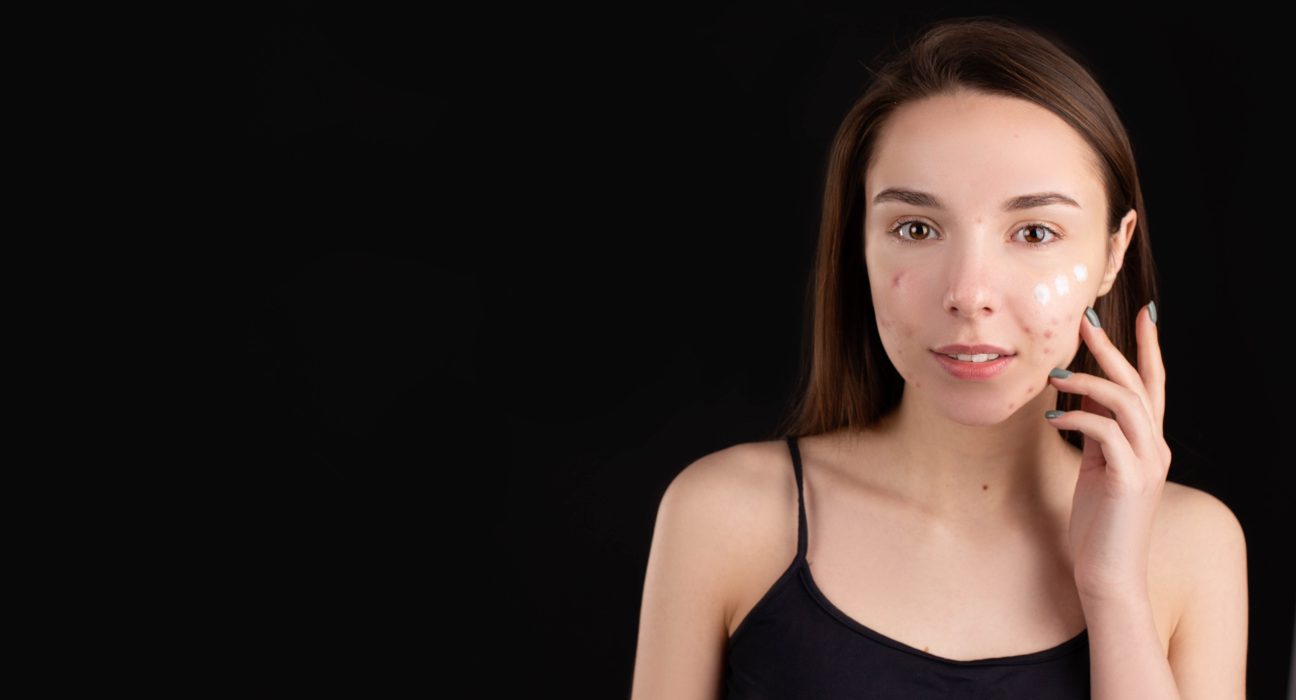
From the time of birth to the time of youth and from the time of youth to the time of marriage, and from the time of old age, mothers are always worried about their children. One common concern that arises as children enter puberty is skin issues, such as acne, discoloration, pigmentation, and acne scars. In this article, we will explore the causes and treatments for these issues, with insights from Dr. Asma Qaisar Qureshi, an expert in dermatology.
Understanding Puberty-Related Skin Issues
As children hit puberty, the most common skin issue they face is acne. Dr. Asma explains that hormonal changes play a significant role in this. Androgens, especially in boys, trigger acne breakouts. Hormonal changes, weight fluctuations, and genetics can also contribute to skin problems during puberty.
- Impact of Hormonal Changes: Hormonal changes during puberty, particularly in boys, lead to increased oil production, causing acne. Girls may experience hormonal fluctuations due to factors like weight changes, stress, or genetics. Hormones can also affect pigmentation and skin discoloration.
- Common Skin Problems during Adolescence: Beyond acne, teenagers may also experience issues like blackheads, whiteheads, dandruff, and even autoimmune disorders like psoriasis and eczema. These conditions can vary based on individual skin types, genetics, and lifestyle factors.
- Acne Treatment: Dr. Asma highlights the importance of a personalized approach to acne treatment. For mild cases, topical treatments are typically recommended. However, severe cases may require oral medications like antibiotics or oral retinoids. Ensuring the right treatment plan is crucial and should be supervised by a healthcare professional.
- Role of Lifestyle and Diet: Diet and lifestyle choices play a significant role in managing acne. Adolescents are often advised to reduce the consumption of sugary and fatty foods. Maintaining good hydration, avoiding soda, and practicing a balanced diet can have a positive impact on skin health.
- Hormonal Acne and Female-Specific Concerns: Hormonal acne in girls often manifests around the chin and jaw area, correlating with menstrual cycles. Dr. Asma advises blood tests to determine hormonal imbalances and may recommend consultation with gynecologists or endocrinologists when necessary.
- Hygiene and Makeup: Proper skincare and hygiene practices are essential for acne prevention. However, heavy makeup use can exacerbate skin issues. Dr. Asma suggests using tinted sunblock or lightweight makeup options, as heavy foundation can clog pores and worsen acne.
- Stress and Acne: Stress is a significant trigger for acne, especially in teenagers dealing with academic pressures. Dr. Asma emphasizes the role of stress management in acne prevention. Reducing stress through counseling and lifestyle changes can contribute to better skin health.
- Dealing with Dark Circles: Dark circles under the eyes are often due to genetics, anemia, or under-eye grooves. Treatments range from iron supplements for anemia to filler injections or PRP therapy for grooves. Dr. Asma advises patients to apply topical creams, eye creams, and sunblock to improve skin texture.
- Preparing for Special Occasions: As adolescents prepare for significant life events, like marriage, a personalized skincare regimen becomes essential. This can include a combination of topical treatments, lifestyle adjustments, and professional consultations to ensure skin looks its best.
Puberty can bring a range of skin issues, and addressing them requires a multifaceted approach. Dr. Asma’s insights and advice shed light on understanding the causes and solutions for these common skin problems. With proper skincare, diet, and expert guidance, teenagers can confidently face the challenges of adolescence with clear and healthy skin.