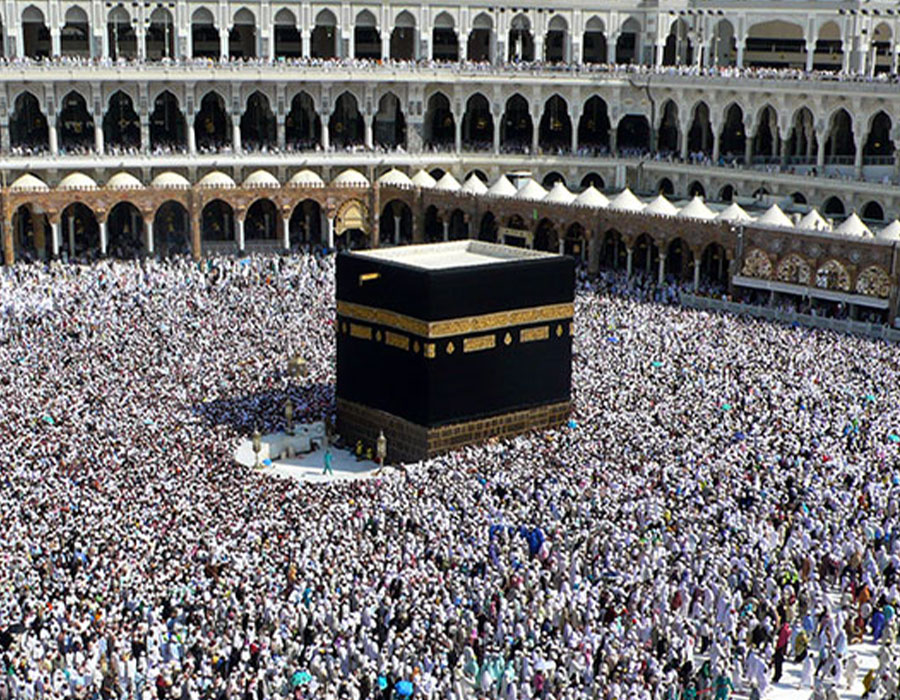
Hajj, the annual Islamic pilgrimage to the holy city of Mecca, holds a deep significance in the hearts and minds of billions of Muslims worldwide. It is not just a physical journey but a profound spiritual experience that encompasses unity, equality, sacrifice, and care for all of Allah’s creation. By examining the essence of Hajj, we can gain insights into how this sacred ritual addresses racism, highlights the fundamental principles of Islam, and emphasizes the importance of caring for sacrificial animals.
Prophet Ibrahim AS pivotal role in the construction of the Kaaba, the holiest site in Islam, holds great importance. According to tradition, as Prophet Ibrahim AS built the Kaaba, the stones rose on their own, guided by divine intervention. His unwavering commitment to Allah and the sacrifices he made exemplify his faith and love for the Creator. Despite not having any children for a long time, Prophet Ibrahim’s faith remained steadfast, and Allah called him His friend. The story of Prophet Ibrahim AS serves as an example for the world, emphasizing the significance of sacrifices and unwavering faith.
One of the remarkable aspects of Hajj is its ability to address racism. During this pilgrimage, people from all corners of the world, regardless of caste, creed, race, color, or language, come together with a shared goal. The dress code of Hajj, known as the Ihram, removes all distinctions of wealth and status. The president and a poor man wear the same attire, emphasizing the equality of all believers before Allah. This collective experience serves as a powerful social commentary on racism, demonstrating the unifying power of the Islamic faith
Hajj is not merely a physical journey but a transformative spiritual experience and means of cleansing the soul. It symbolizes the unity of the Muslim Ummah, likened to a single body. Just as the heart takes deoxygenated blood from the body, purifies it, and pumps oxygenated blood back into the entire system, Hajj performs a similar function. Muslims from all over the world gather in Mecca, seeking proximity to Allah and purifying themselves of negativity and sins.
Furthermore, Hajj encompasses the historical context of the conquest of Mecca by the Prophet Muhammad (peace be upon him). His return to Mecca and the performance of Hajj symbolize the completion of his mission and the establishment of Islam as a religion. The Prophet’s actions and teachings during Hajj guide and inspire Muslims to follow in his footsteps.
Additionally, Hajj is closely associated with the festival of Eid ul-Adha, also known as the Feast of Sacrifice. This festival commemorates Prophet Ibrahim’s willingness to sacrifice his son, Ismail AS, as an act of obedience to Allah. As part of the Eid ul-Adha rituals, Muslims are encouraged to take care of a sacrificial animal, usually a sheep, goat, cow, or camel, for several days leading up to the festival. This act of care reflects the importance of compassion and stewardship towards all living beings.
On the day of Eid ul-Adha, Muslims perform the sacrifice in the name of Allah, following the example set by Prophet Ibrahim AS. The sacrificed animal’s meat is shared with family, friends, and those in need, reinforcing the values of generosity, community, and charity. This act of sacrifice reminds Muslims of the need to let go of material attachments and prioritize devotion to Allah and the well-being of others.
During the period leading up to Eid ul-Adha, when Muslims purchase sacrificial animals, it is unfortunate that some individuals engage in unethical practices such as comparing the animals and their prices with others. This practice of excessive comparison and competitiveness goes against the spirit of the occasion and the principles of Islam.
Islam encourages its followers to prioritize sincerity, humility, and the intention behind their acts of worship. The act of sacrificing an animal during Eid ul-Adha is meant to be an expression of devotion and obedience to Allah, not a platform for displaying wealth or engaging in unhealthy competition.
The focus should be on the intention and sincerity behind the act rather than the monetary value or status associated with the animal. Islam teaches that Allah does not look at outward appearance or material possessions but rather at the purity of the heart and the sincerity of one’s intentions. Therefore, comparing animals based on their prices or physical attributes undermines the true purpose of the sacrifice and detracts from the essence of religious observance.
Engaging in such comparisons can lead to negative consequences, such as fostering a culture of materialism, envy, and undue competition in the community. It can create an atmosphere of social pressure and unnecessary expenditure, placing financial burdens on individuals who may feel compelled to match or exceed others’ choices. This goes against the principles of moderation and consideration for one’s financial capabilities, which Islam promotes.
Furthermore, Islam emphasizes the importance of empathy, compassion, and ethical treatment of animals. When purchasing a sacrificial animal, the focus should be on ensuring its well-being, health, and adherence to ethical standards of animal welfare. Engaging in competition solely based on appearance or price may overlook the genuine concern for the welfare and treatment of the animal, which is a fundamental aspect of the religious obligation.
Instead of comparing animals and engaging in unhealthy competition, Muslims should redirect their focus toward the core principles underlying the act of sacrifice. It is essential to prioritize sincerity, humility, gratitude, and the intention to please Allah through the act of sacrifice. Muslims should also emphasize the care, respect, and proper treatment of the sacrificial animal, ensuring that it is well-fed, sheltered, and free from any harm or discomfort.
In conclusion, the practice of comparing sacrificial animals based on their prices or physical attributes goes against the spirit of Eid ul-Adha and the teachings of Islam. It is important to remember that the act of sacrifice is meant to be an expression of devotion, sincerity, and ethical treatment of animals, rather than a platform for displaying wealth or engaging in unhealthy competition. By focusing on the core principles of humility, compassion, and the intention to please Allah, Muslims can ensure that the spirit of sacrifice is preserved and celebrated in a meaningful and ethical manner.
Her Faith
Miracles Of Hajj For Every Muslim